
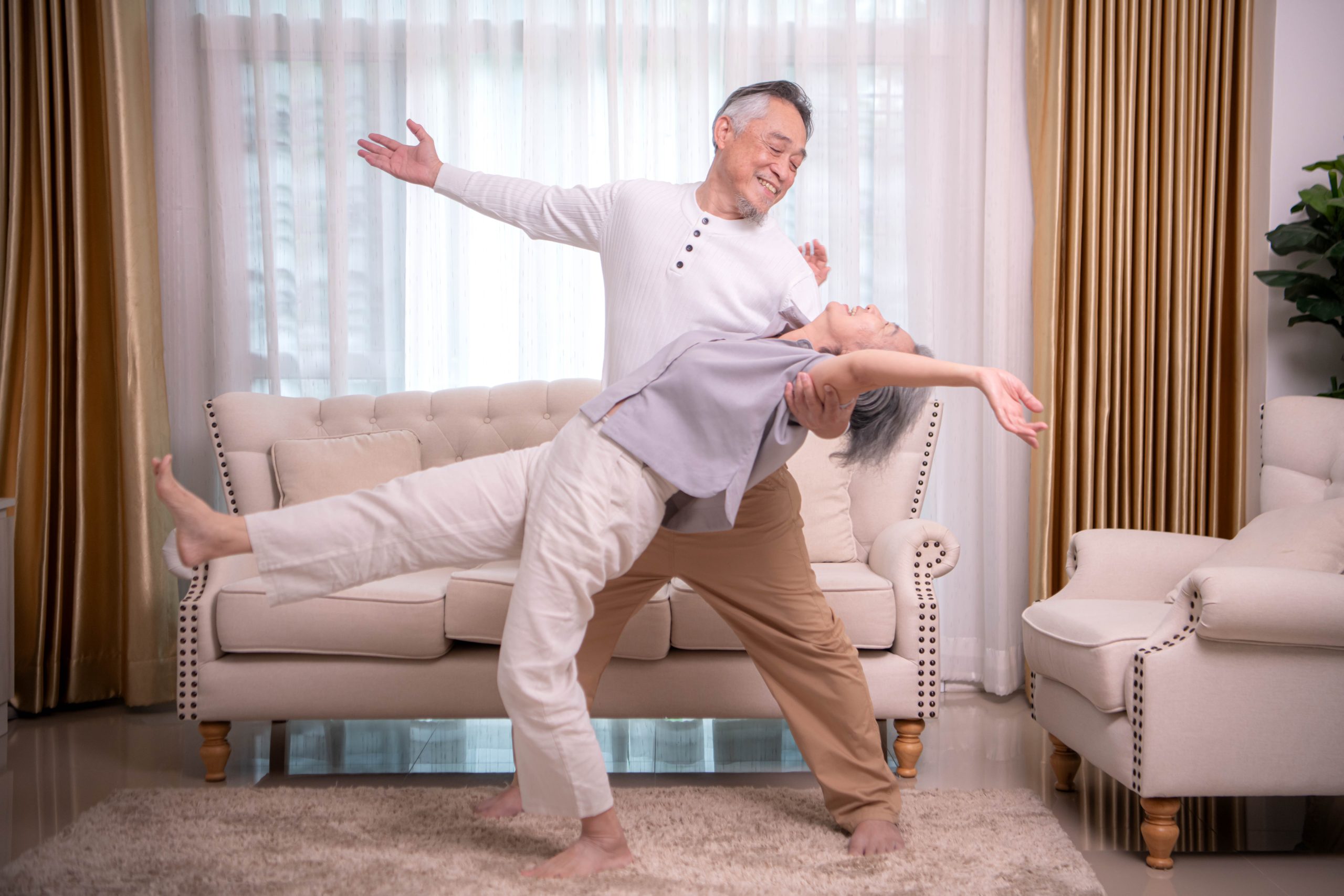
Chiropractic Care for Seniors: Supporting Mobility and Healthy Aging
For many older adults, independence is measured in ordinary activities.
Walking comfortably through the neighbourhood.
Getting up from the couch without assistance.
Climbing stairs.
Driving.
Shopping for groceries.
Working around the house.
Staying active with family.
When mobility begins to change, protecting those abilities becomes increasingly important.
Aging can affect muscle strength, balance, joint health, reaction time, vision, sensation, and physical capacity. But reduced mobility is not one condition, and it should not be attributed to age alone.
Some older adults need more strength.
Some are dealing with arthritis.
Some have back or neck pain that discourages activity.
Others have balance problems related to medication, blood pressure, vision, neuropathy, or another medical condition.
Chiropractic care may help when an appropriate musculoskeletal condition is contributing to reduced mobility. But evidence-based senior mobility care is broader than adjustments, particularly when balance and fall prevention are involved.
Mobility Loss Is Not An Automatic Consequence Of Getting Older
Physical capacity does change with age.
On average, muscle power and strength decline over time, with the rate often increasing later in life.
But those changes vary greatly between individuals.
The National Institute on Aging notes that age-related loss of muscle mass, strength, and function, known as sarcopenia, can contribute to difficulty walking, rising from a chair, and climbing stairs. Remaining active can substantially slow the decline, and many older adults can increase muscular strength with exercise. (National Institute on Aging)
That makes physical capacity modifiable.
Someone who is becoming weaker at 70 should not automatically be told:
“That’s just aging.”
The useful question is why function is declining and what can safely be improved.
Muscle Strength Helps Protect Independence
Strength is relevant to much more than lifting weights.
Older adults rely on it every time they:
- Stand from a chair
- Climb stairs
- Step over an obstacle
- Carry a bag
- Get into a vehicle
- Recover from a small stumble
- Move around the home
NIA recommends muscle-strengthening activity because it helps maintain existing strength, slow muscle loss, improve physical function, and support independent daily activity. (National Institute on Aging)
You do not need to become a competitive weightlifter.
Appropriate strength work might involve:
- Sit-to-stand exercises
- Resistance bands
- Handheld weights
- Weight machines
- Body-weight exercises
- Stair practice
- Functional lifting
The challenge should match the person’s abilities and health.
Arthritis Can Limit Mobility, But Inactivity Is Not The Answer
Osteoarthritis becomes more common with age and can produce joint pain, stiffness, swelling, and reduced movement.
It is not simply “wear and tear that everyone gets.”
CDC explicitly notes that osteoarthritis is not a regular or inevitable part of aging. (CDC)
Physical activity is also an important part of arthritis management.
CDC guidance notes that appropriate exercise can reduce joint pain and improve function and recommends joint-friendly activities such as:
- Walking
- Cycling
- Swimming
- Water exercise
- Tai chi
- Light gardening
- Appropriate resistance training
(CDC)
If joint pain is keeping an older adult completely sedentary, the solution may involve finding a more tolerable activity or treating the specific painful condition rather than abandoning movement.
Joint Stiffness Has More Than One Cause
Arthritis is only one possibility.
Reduced mobility can also follow:
- An old injury
- A recent strain
- Joint replacement
- Tendon problems
- Muscular weakness
- Back or neck pain
- Neurological disease
- Fear following a fall
- Prolonged inactivity
This matters because the treatment depends on the problem.
A person with knee osteoarthritis, someone with lumbar spinal stenosis, and someone who has become physically deconditioned after illness may all say:
“I’m having trouble walking.”
They should not automatically receive the same care.
Balance Is More Complicated Than Spinal Alignment
Balance depends on several systems working together.
Your brain integrates information from:
- Vision
- The inner ear
- Sensation from the feet and joints
- Muscles
- The nervous system
Your body then needs enough strength, coordination, and reaction speed to respond.
Older adults may also be affected by:
- Blood-pressure changes when standing
- Diabetes
- Peripheral neuropathy
- Heart disease
- Foot problems
- Medication side effects
- Cognitive changes
- Unsafe footwear
- Home hazards
The National Institute on Aging identifies each of these types of factors as relevant to fall risk. (National Institute on Aging)
That means a balance complaint should not automatically be attributed to a spinal restriction.
Sometimes the issue is musculoskeletal.
Sometimes it is not.
Falls Deserve More Attention Than “Be Careful”
Falls can lead to fractures, hospitalization, fear of movement, and loss of independence.
A previous fall also increases concern about future falls.
Fortunately, there is strong evidence that fall risk can be reduced.
The 2024 U.S. Preventive Services Task Force concluded with moderate certainty that exercise interventions provide a moderate net benefit for community-dwelling adults aged 65 and older who are at increased risk of falling. (USPSTF)
In 29 exercise trials involving 14,475 participants, exercise significantly reduced the rate of incident falls. It also reduced the proportion of older adults experiencing at least one fall and the rate of injurious falls. (USPSTF)
The strongest senior fall-prevention strategy is therefore not passive treatment.
It is active training.
What Kind Of Exercise Helps Prevent Falls?
The USPSTF found that nearly all reviewed fall-prevention programs incorporated gait, balance, and functional training.
About two-thirds also incorporated strength and resistance exercise. Other programs included flexibility, endurance, dance, and tai chi. (USPSTF)
Current CDC guidance likewise recommends a combination of:
- Aerobic activity
- Muscle strengthening
- Balance exercise
for adults 65 and older. (CDC)
This is important because simply telling someone to “walk more” may not address a specific balance deficit.
Walking is valuable.
Balance also needs to be challenged safely.
Strength needs to be trained.
How Much Activity Do Older Adults Need?
CDC recommendations for adults 65 and older include:
- At least 150 minutes of moderate-intensity aerobic activity each week, or an equivalent amount of vigorous activity
- Muscle strengthening on two or more days
- Balance-improving activity
(CDC)
Those numbers should not discourage someone who is currently doing very little.
A person with arthritis, chronic disease, disability, or significant deconditioning can begin according to their ability.
CDC emphasizes that some activity is better than none and that people who cannot meet the full recommendations should be as physically active as their condition allows. (CDC)
Progress matters more than immediately reaching the full target.
Falls Often Require More Than An Exercise Program
Some older adults need a broader fall-risk assessment.
The USPSTF describes multifactorial assessment as potentially including:
- Gait
- Balance
- Vision
- Postural blood pressure
- Medications
- Home environment
- Cognition
- Psychological health
Recommendations can then be individualized according to what is found. (USPSTF)
CDC also recommends medication review and osteoporosis assessment when appropriate. (CDC)
An older adult repeatedly falling because a medication causes dizziness needs a different intervention from someone falling because of leg weakness.
Both deserve attention.
Where Chiropractic Care May Help
Chiropractic care can be relevant when pain or musculoskeletal restriction is itself limiting mobility.
Examples include:
- Low back pain interfering with walking
- Neck pain restricting normal movement
- Musculoskeletal joint pain making exercise harder
- A painful spinal condition reducing confidence with activity
For those presentations, chiropractic care may be one conservative option.
The evidence specific to older adults is limited, however.
A 2025 systematic review included five randomized trials with 676 adults aged 65 and older. Overall evidence for musculoskeletal manipulation was limited and inconclusive. Some short-term pain improvements were found in selected neck and low back pain comparisons, but improvements in function and quality of life were not consistently greater than comparison treatments. (BMJ Open)
A 2026 updated review of spinal manipulation for chronic spinal conditions in older adults concluded that it may offer comparable or modestly greater benefit in some conditions, but confidence in the evidence ranged from very low to moderate. (PubMed)
That supports a cautious role.
It does not justify promising restored mobility to every senior who receives an adjustment.
Exercise May Matter As Much As The Treatment Table
One randomized trial specifically examined spinal manipulation and exercise in adults 65 and older with subacute or chronic low back pain.
Participants received either:
- Home exercise alone
- Spinal manipulation plus home exercise
- Supervised rehabilitative exercise plus home exercise
Pain improved substantially across all three groups. Differences between groups over one year were small and not statistically significant. (PubMed)
That is useful for clinical decision-making.
It suggests that an older adult with low back pain should not be told that the adjustment itself is the only meaningful component of recovery.
Exercise and self-management deserve substantial attention.
Can Chiropractic Care Improve Balance?
There is some preliminary evidence involving balance-related measurements.
A randomized trial of 60 adults over 65 found that 12 weeks of chiropractic care improved several sensorimotor outcomes, including stepping reaction time and ankle joint-position sense, compared with a control group. (PubMed)
But there is an important limitation.
The trial did not establish that fewer people actually fell.
The researchers explicitly stated that further research was needed to determine whether chiropractic care affects real-world fall risk. (ScienceDirect)
A surrogate measure associated with falls is not the same as preventing falls.
Chiropractic Care Has Not Been Proven To Prevent Falls
A 2022 systematic review specifically examined chiropractic care, balance, gait, and falls.
Twenty-one studies met the criteria, including 10 randomized trials.
Only one study directly measured fall frequency, and falls were an underpowered secondary outcome. Most studies instead looked at short-term balance or gait measurements.
The authors concluded that little high-quality research currently demonstrates how chiropractic care affects actual fall prevention. (Springer)
This is an important YMYL boundary.
It would be inappropriate to tell older adults that chiropractic adjustments have been proven to reduce their risk of falling.
Structured exercise has much stronger evidence for that outcome.
“Gentle” Does Not Mean No Screening Is Needed
Some older adults prefer lower-force chiropractic techniques because they are uncomfortable with traditional manual manipulation.
Lakeview Chiropractic & Acupuncture Wellness Centre offers both manual and computerized chiropractic adjusting. The computerized option uses controlled mechanical pulses without the twisting or cracking involved in some manual techniques. (Lakeview Chiropractic Wellness Center)
That can be a useful treatment preference.
It should not be promoted as automatically safer simply because the force is delivered differently.
Before treatment, relevant factors may include:
- Osteoporosis
- Previous fractures
- Recent falls
- Anticoagulant or other medication use
- Joint replacements
- Neurological symptoms
- Frailty
- Significant medical conditions
Technique and force should then be selected according to the individual.
What Does The Safety Evidence Show?
A 2025 systematic review of manipulative treatments in older adults found that the five included randomized trials reported no serious adverse events attributed to the manipulative treatment.
Mild effects included temporary soreness, stiffness, headache, or aggravation of musculoskeletal symptoms. (BMJ Open)
That is reassuring within the populations studied.
But five trials are not enough to conclude that every chiropractic technique is appropriate for every older adult.
Clinical screening remains necessary, especially when bone fragility or complex medical conditions are present.
Osteoporosis Matters After A Fall
A fall that produces little more than bruising in one person can cause a serious fracture in someone with osteoporosis.
CDC therefore recommends discussing osteoporosis screening and treatment with healthcare providers as part of fall and fracture prevention. (CDC)
An older adult who has:
- Lost significant height
- Sustained a low-trauma fracture
- Been diagnosed with osteoporosis
- Developed sudden severe back pain after a fall
should not simply proceed as though the problem is ordinary joint stiffness.
Fracture needs to be considered.
Fear Of Falling Can Also Reduce Mobility
After a fall, some older adults begin restricting activity because they are afraid it will happen again.
That can create another problem.
Less movement can mean:
- Less leg strength
- Less balance practice
- Less cardiovascular conditioning
- Lower confidence
NIA specifically cautions against allowing fear of falling to lead to unnecessary inactivity because remaining appropriately active is important for maintaining health and reducing fall risk. (National Institute on Aging)
The solution is not telling someone to ignore fear.
It is creating an appropriately supervised path back to safe activity.
When Pain Is The Main Mobility Barrier
Suppose an older adult has good vision, no unexplained dizziness, stable blood pressure, and no significant neurological problem.
Their main limitation is simply that back pain makes walking difficult.
That is a different problem.
A musculoskeletal assessment may be useful.
The goal should be functional:
- Walk farther
- Stand longer
- Get in and out of the car
- Return to exercise
- Perform household tasks
- Sleep with less pain interference
Treatment has succeeded when life becomes easier, not simply because a spinal measurement changed.
How Lakeview Chiropractic & Acupuncture Wellness Centre Approaches Senior Mobility
Lakeview Chiropractic & Acupuncture Wellness Centre begins with a detailed health history and examination. The clinic’s assessment process may include range-of-motion, orthopaedic, and neurological evaluation, with imaging considered when clinically appropriate. (Lakeview Chiropractic Wellness Center)
Dr. David Drazic offers both manual and computerized chiropractic adjusting. (Lakeview Chiropractic Wellness Center)
For an older adult with a musculoskeletal mobility problem, the assessment can consider:
- Which activities have become difficult
- Strength and mobility
- Joint or spinal pain
- Neurological findings
- Previous injuries
- Fall history
- Current activity level
- Relevant imaging or medical history
Exercise and mobility guidance can then be incorporated where appropriate. The clinic’s current back-pain and common-conditions information includes exercise guidance and practical activity recommendations as part of individualized care. (Lakeview Chiropractic Wellness Center)
If the problem appears to involve medication, cardiovascular symptoms, progressive neuropathy, significant balance dysfunction, osteoporosis-related fracture risk, vision, or another medical issue, collaboration or referral may be more important than chiropractic treatment.
When A New Balance Problem Needs Medical Attention
Seek appropriate medical evaluation for:
- Fainting
- Sudden or severe dizziness
- Repeated unexplained falls
- New weakness
- New numbness
- Loss of coordination
- Sudden walking difficulty
- Speech or facial changes
- Severe headache
- Chest symptoms
- Major changes after a new medication
Older adults can have several fall-risk factors simultaneously.
NIA identifies cardiovascular disease, neurological problems, postural hypotension, medication effects, vision changes, neuropathy, foot problems, and cognitive impairment among possible contributors. (National Institute on Aging)
A new balance problem should never be dismissed as “just age.”
Frequently Asked Questions About Senior Mobility And Chiropractic Care
Is Loss Of Strength Inevitable After 65?
Some age-related decline is common, but the rate varies substantially. Resistance exercise can increase strength and help preserve physical function in older adults. (National Institute on Aging)
How Much Physical Activity Should Seniors Get?
Older adults should generally aim for at least 150 minutes of moderate aerobic activity per week, two days of muscle strengthening, and regular balance activities. Those unable to meet the targets should be active according to their abilities. (CDC)
Can Seniors With Arthritis Exercise?
Yes. Appropriate exercise is recommended for people with arthritis and can reduce pain while improving function. Start gradually and adapt activity to symptoms and abilities. (CDC)
What Causes Balance Problems In Seniors?
Possible contributors include muscle weakness, vestibular problems, neuropathy, vision, medication side effects, postural blood-pressure changes, foot problems, neurological conditions, cardiovascular disease, and environmental hazards. (National Institute on Aging)
What Is The Best Way To Prevent Falls?
For older adults at increased risk, structured exercise has strong evidence. Programs commonly include gait, balance, functional, and resistance training. A broader multifactorial assessment may also be appropriate. (USPSTF)
Can Chiropractic Care Prevent Falls?
Current evidence does not establish chiropractic care as an effective fall-prevention intervention. Preliminary studies have examined balance-related outcomes, but trials have not adequately demonstrated a reduction in actual falls. (Springer)
Can Chiropractic Help An Older Person Walk Better?
It may help indirectly when a treatable musculoskeletal problem, such as selected back or joint pain, is limiting walking. The evidence for manipulation in older adults is limited, so individual response and functional outcomes should guide care. (BMJ Open)
Is Computerized Adjusting Better For Seniors?
Computerized adjusting offers a lower-force mechanical-pulse option without some of the twisting or cracking used in manual techniques. Current evidence does not establish that computerized adjusting is universally safer or more effective for older adults. (Lakeview Chiropractic Wellness Center)
Should Seniors With Osteoporosis See A Chiropractor?
Osteoporosis needs to be disclosed and considered when determining whether and how manual treatment is appropriate. Previous fragility fractures, falls, medications, and bone health may alter the treatment approach.
When Should A Fall Be Reported To A Doctor?
Older adults should report falls, particularly repeated falls, unexplained falls, or falls associated with dizziness, fainting, weakness, head injury, or significant pain. Previous falls are an important predictor of future fall risk. (USPSTF)
Senior Mobility Is Built Through Capacity
The goal of aging well is not to keep every joint moving exactly as it did at 25.
It is to maintain enough capacity to keep participating in life.
Walk.
Build strength.
Practise balance.
Stay socially and physically active.
Treat arthritis and musculoskeletal pain appropriately.
Review medications and medical risks when falls occur.
Do not allow fear of movement to become another source of weakness.
Chiropractic care can be one part of that plan when pain or musculoskeletal dysfunction is restricting activity.
It should not replace strength and balance training, medical fall-risk assessment, or other evidence-based interventions when those are needed.
If back, neck, or joint symptoms are making it harder for you or an older family member to stay active, Lakeview Chiropractic & Acupuncture Wellness Centre can assess the musculoskeletal problem and determine whether manual or computerized chiropractic care, exercise guidance, another conservative option, further investigation, or referral is appropriate.
Medical Disclaimer
This article is for educational purposes only and does not replace individualized medical, chiropractic, physiotherapy, rehabilitation, or fall-risk assessment. Mobility and balance problems in older adults can result from musculoskeletal, neurological, cardiovascular, vestibular, medication-related, visual, metabolic, and other conditions. Seek appropriate medical attention for repeated unexplained falls, fainting, sudden balance changes, new weakness or numbness, significant dizziness, acute neurological symptoms, head injury, or significant pain following a fall.
Sources And Clinical References
U.S. Preventive Services Task Force: Interventions To Prevent Falls In Community-Dwelling Older Adults. Supports structured exercise for older adults at increased fall risk, particularly gait, balance, functional, and resistance training, and supports individualized multifactorial fall-risk assessment when appropriate. (USPSTF)
CDC: Physical Activity For Older Adults. Supports aerobic activity, muscle strengthening, and balance activity for adults aged 65 and older and emphasizes adapting activity for individual ability. (CDC)
National Institute On Aging: Strength Training And Healthy Aging. Supports the role of sarcopenia in reduced mobility and the ability of resistance exercise to preserve or increase strength in older adults. (National Institute on Aging)
National Institute On Aging: Falls And Fractures In Older Adults. Supports the multifactorial causes of falls, including muscle loss, gait and balance problems, postural hypotension, medications, vision, neurological disease, foot problems, and environmental hazards. (National Institute on Aging)
CDC: Osteoarthritis And Physical Activity. Supports osteoarthritis as a condition that becomes more common with age without being an inevitable part of aging and supports physical activity for reducing arthritis-related pain and improving function. (CDC)
BMJ Open: Efficacy And Safety Of Musculoskeletal Manipulations In Older Adults With Musculoskeletal Disorders. 2025 systematic review finding limited and inconclusive evidence for manipulation-related improvements in pain, function, and quality of life, with no serious treatment-related adverse events reported in the five included trials. (BMJ Open)
BMC Musculoskeletal Disorders: Chiropractic Care For Fall Prevention. Systematic review finding that most chiropractic research has examined short-term gait or balance outcomes rather than actual falls and that high-quality evidence supporting chiropractic fall prevention is lacking. (Springer)
Journal Of Manipulative And Physiological Therapeutics: Chiropractic Care And Sensorimotor Function Associated With Fall Risk. Small randomized trial finding improvements in selected sensorimotor measures while acknowledging that effects on actual fall risk remain unknown. (PubMed)
BMC Geriatrics: Spinal Manipulative Therapy And Exercise For Older Adults With Chronic Low Back Pain. Randomized trial showing substantial pain improvement across home exercise, spinal manipulation plus home exercise, and supervised rehabilitation plus home exercise, with no important long-term group differences in the primary pain outcome. (PubMed)