
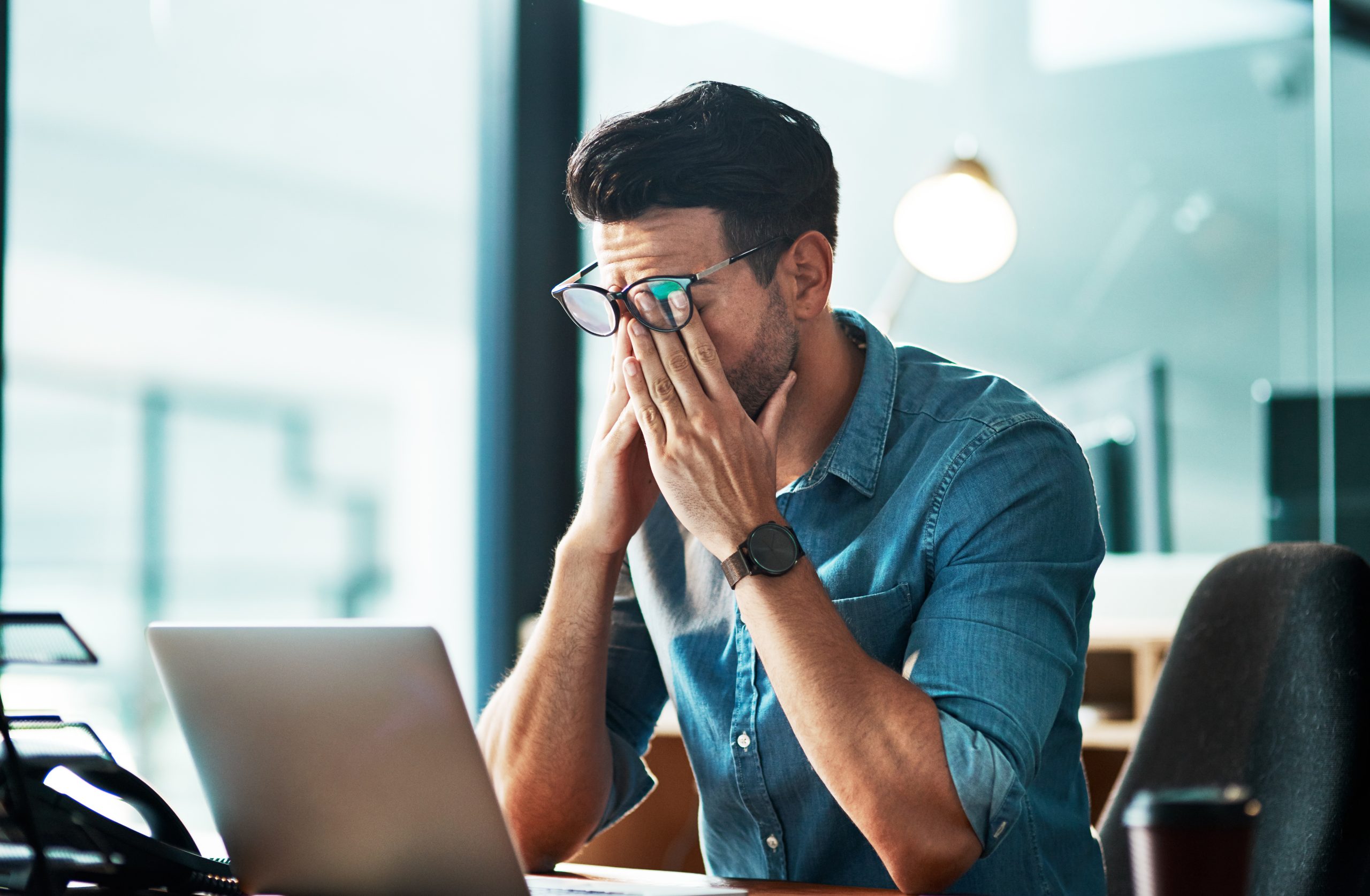
How Stress Affects Your Nervous System and Your Body
Reviewed by: Dr. David Drazic, D.C.
Reviewed for: clinical accuracy, patient safety, scope-of-practice accuracy, and service appropriateness
You finally finish the workday, but your body does not seem to have received the message.
Your shoulders still feel tense. You notice your teeth are clenched. You are physically tired but mentally alert, and falling asleep feels harder than it should.
Stress may be contributing.
The explanation, however, is more complex than a nervous system flipping into “fight or flight” and forgetting how to switch back.
Your response to stress involves coordinated activity across the brain, autonomic nervous system, hormonal systems, cardiovascular system, respiration, muscles, and behaviour. (PubMed)
Understanding that physiology helps separate useful stress-management strategies from claims about “resetting” or “rebalancing” the nervous system that go beyond the evidence.
What Is Your Autonomic Nervous System?
The autonomic nervous system helps regulate physiological functions that generally occur without conscious control.
Among other things, it contributes to regulation of:
- Heart rate
- Blood pressure
- Digestion
- Sweating
- Pupil function
- Bladder activity
- Sexual function
The system includes sympathetic, parasympathetic, and enteric components. (NCBI)
These systems are active all day.
They adjust when you eat, exercise, sleep, feel nervous, stand up, walk into cold weather, or encounter a stressful situation.
That flexibility is normal physiology.
What Do “Fight Or Flight” And “Rest And Digest” Mean?
The sympathetic and parasympathetic nervous systems are often taught as opposites.
That simplification is useful for learning the basics.
The sympathetic system helps mobilize the body during physical activity and stress and contributes to blood-pressure and temperature regulation.
Parasympathetic pathways contribute to heart-rate regulation, digestion, salivation, bladder function, and other maintenance processes. (NCBI)
But neither branch has only one purpose.
The autonomic nervous system is controlled through complex networks involving the cortex, amygdala, hypothalamus, brainstem, spinal cord, peripheral nerves, and endocrine systems. (PubMed)
Your body does not simply alternate between two mutually exclusive settings.
Your Sympathetic Nervous System Is Not The Enemy
“Fight or flight” often gets described as something we should minimize.
That misses how useful sympathetic activity is.
You need it when you:
- Exercise
- Stand up
- React quickly
- Maintain blood pressure
- Regulate body temperature
- Respond to a demanding situation
Different sympathetic pathways also respond differently to different stressors. Exercise, cold exposure, emotional distress, low blood sugar, and changes in posture do not produce one identical autonomic response. (PubMed)
A healthy nervous system does not remain parasympathetic all day.
It adjusts.
What Stress Does To The Body
When something feels demanding or threatening, the body can produce a coordinated stress response.
NCCIH describes common changes including:
- Increased heart rate
- Faster breathing
- Higher blood pressure
- Increased sweating
- Muscle tension
- Release of stress-related hormones
(NCCIH)
These changes can be useful.
The problem is not one stressful meeting or one hard workout.
Researchers become more concerned about prolonged or repeatedly activated stress systems without sufficient recovery, sometimes described through the concept of allostatic load. (PubMed)
Can Stress Keep Your Nervous System In Overdrive?
“Overdrive” is a reasonable description of a subjective experience.
It should not be confused with a precise neurological diagnosis.
Persistent stress can influence autonomic function, hormones, sleep, behaviour, immune signalling, and other physiological systems. (PubMed)
What research does not show is that everyday stress literally locks the body into sympathetic mode.
Your autonomic nervous system continues making constant adjustments.
A better goal is therefore not “turn off sympathetic activity.”
It is improving how you recover from repeated demands.
Why Stress Can Feel Muscular
Stress can increase muscle tension. (NCCIH)
You might notice:
- Tight shoulders
- Jaw clenching
- Neck discomfort
- Headaches
- General stiffness
- A feeling that you cannot fully relax
That does not mean stress has misaligned your vertebrae or disrupted nerve flow throughout the body.
Musculoskeletal symptoms can arise from many interacting factors, including activity, prolonged positioning, previous injury, sleep, physical capacity, and stress.
If a physical symptom persists, it should be assessed as a physical complaint.
Stress Can Also Change Behaviour
Some of stress’s health effects are indirect.
A demanding period can make it easier to:
- Exercise less
- Sleep inconsistently
- Eat differently
- Spend longer at a desk
- Consume more caffeine
- Skip breaks
- Withdraw from enjoyable activities
A major review of stress and health notes that stress can influence health both through biological pathways and through changes in health behaviour. (PubMed)
That gives you more than one place to intervene.
Sometimes changing what happens around the stress response is more practical than trying to consciously control the response itself.
Slow Breathing Has A Measurable Autonomic Effect
Breathing is interesting because it is both automatic and partly under voluntary control.
A 2022 systematic review and meta-analysis included 223 studies examining slow voluntary breathing.
Researchers found increases in vagally mediated heart-rate variability during slow breathing, immediately after a session, and after repeated training. These HRV measures reflect aspects of parasympathetic regulation of the heart. (PubMed)
NCCIH also reports preliminary evidence that diaphragmatic breathing may help reduce perceived stress and can modestly influence physiological measures such as cortisol and blood pressure. (NCCIH)
So breathing exercises do have a plausible physiological basis.
You just do not need to call them a “vagus nerve reset.”
Try A Few Minutes Of Slower Breathing
A simple version looks like this:
- Get comfortable.
- Relax your shoulders.
- Breathe slowly and comfortably.
- Allow your lower ribs and abdomen to move naturally.
- Exhale without forcing all of the air out.
- Continue for a few minutes.
The goal is not taking enormous breaths.
Overbreathing can make some people lightheaded.
If breathing exercises make you anxious or uncomfortable, stop. NCCIH notes that relaxation practices are generally considered safe but can occasionally produce unpleasant psychological experiences in some individuals. (NCCIH)
Exercise Temporarily Raises Stress Physiology, And That Is Healthy
Exercise increases heart rate and sympathetic activity.
That does not mean exercise is bad for nervous-system regulation.
It demonstrates why the idea that sympathetic activation is inherently harmful does not work.
Regular physical activity is associated with lower feelings of anxiety, improved sleep, and substantial long-term physical-health benefits. (CDC)
Current guidelines recommend that adults work toward at least 150 minutes of moderate-intensity aerobic activity each week plus muscle-strengthening activity on two days. (CDC)
Useful options include:
- Walking
- Resistance training
- Cycling
- Swimming
- Sports
- Yoga
- Short movement breaks during sedentary days
Movement does not need to feel relaxing while you are doing it to contribute to better overall health.
Sleep Is One Of The Most Important Recovery Behaviours
If you regularly feel “wired but exhausted,” sleep deserves attention.
Most adults need at least seven hours of sleep each night. CDC guidance also recommends maintaining reasonably consistent sleep and wake times, getting natural light, and being physically active during the day. (CDC)
A practical evening routine might involve:
- Reducing late work
- Dimming bright light
- Putting your phone away if it keeps you awake
- Preparing for tomorrow
- Slow breathing
- Reading
- Keeping a relatively predictable bedtime
For chronic insomnia, cognitive behavioural therapy for insomnia has stronger evidence than simply adding relaxation exercises. (NCCIH)
Persistent sleep problems deserve appropriate care.
What About Screen Time?
Your phone does not directly trap your autonomic nervous system in fight-or-flight mode.
Screen habits can still matter.
Late-night use can delay bedtime, maintain mental stimulation, and expose you to bright light near the time you are trying to sleep.
NCCIH sleep guidance includes avoiding bright artificial light from televisions, computers, and phones too close to bedtime as one component of healthy sleep habits. (NCCIH)
If using your phone at night does not interfere with your sleep, you do not need to treat the device as a neurological toxin.
Focus on the behaviour and outcome.
Spending Time Outside Can Support Recovery Habits
“Go outside” sounds almost too basic to count as health advice.
It can help in several practical ways.
A walk outdoors gives you physical activity, time away from work, and natural light.
CDC specifically recommends getting natural light, particularly earlier in the day, and suggests morning or lunchtime walking as one way to support healthy sleep. (CDC)
You do not need to claim nature directly “rebalances the autonomic nervous system.”
The ordinary benefits are enough.
Relaxation Is A Skill, Not A Perfect Physiological State
Relaxation techniques can include:
- Slow breathing
- Progressive muscle relaxation
- Guided imagery
- Biofeedback
- Meditation
- Other structured practices
NCCIH reports that relaxation techniques may help with stress and anxiety in some contexts, although the strength of evidence varies considerably depending on the condition and intervention. (NCCIH)
Regular practice may be more useful than waiting until stress is overwhelming.
That does not mean every person needs a daily nervous-system protocol.
Use the techniques that actually help.
Feeling Stressed Is Not The Same As Having Dysautonomia
This distinction matters because the language of “nervous-system dysregulation” is increasingly broad online.
Medical autonomic dysfunction can affect regulation of:
- Blood pressure
- Heart rate
- Sweating
- Digestion
- Bladder function
- Other involuntary processes
(NCBI)
Someone experiencing persistent fainting, severe lightheadedness with standing, unexplained heart-rate abnormalities, abnormal sweating, or other substantial autonomic symptoms requires appropriate medical assessment.
Ordinary work stress is not a diagnosis of dysautonomia.
Does Chiropractic Care Regulate The Autonomic Nervous System?
This is an area where chiropractic marketing can run ahead of the evidence.
A 2024 systematic review and meta-analysis examined spinal manipulation and autonomic outcomes.
Overall, researchers found low-quality evidence that spinal manipulation did not change measures including heart-rate variability, blood pressure, oxygenation, epinephrine, or norepinephrine compared with control or sham treatment. A possible change in one parasympathetic HRV measure after cervical manipulation was identified, but the evidence was limited and methodologically weak. (PubMed)
A 2025 review focused on thoracic manipulation and mobilization also found no significant overall changes in autonomic markers. (PubMed)
So it is not accurate to promise that an adjustment “switches on rest and digest,” activates the vagus nerve, or resets autonomic balance.
Chiropractic Can Still Address A Musculoskeletal Problem During A Stressful Period
The lack of evidence for an autonomic reset does not mean chiropractic care has no role.
It means the role should be defined correctly.
Someone going through a demanding period may also develop:
- Neck pain
- Back pain
- Muscular discomfort
- Reduced movement
- Headaches with a musculoskeletal component
- Recurring symptoms during prolonged desk work
Those complaints can be evaluated on their own.
If chiropractic care is appropriate, the treatment goal can be reducing musculoskeletal symptoms and improving movement or function.
The goal should not be claiming to treat psychological stress through spinal manipulation.
How Lakeview Chiropractic & Acupuncture Wellness Centre Approaches Stress-Related Musculoskeletal Complaints
Lakeview Chiropractic & Acupuncture Wellness Centre begins with a consultation and examination rather than assuming stress or nervous-system dysfunction is responsible for a patient’s symptoms. The clinic’s current process can include range-of-motion, orthopaedic, and neurological assessment when relevant. (Lakeview Chiropractic & Acupuncture)
Dr. David Drazic offers both manual and computerized chiropractic adjusting along with acupuncture and other conservative services. (Lakeview Chiropractic & Acupuncture)
These treatments should be connected to a specific clinical goal.
For example:
- Assessing recurring neck pain
- Improving painful or restricted spinal movement
- Addressing a musculoskeletal contributor to headaches
- Supporting return to normal activity
- Providing exercise or movement guidance
If the main problem is persistent anxiety, severe stress, chronic insomnia, or symptoms suggesting true autonomic dysfunction, another healthcare professional may need to be involved.
That is coordinated care, not a failure of chiropractic treatment.
Frequently Asked Questions About Stress And The Nervous System
What Is Fight Or Flight?
Fight or flight is a simplified term for physiological responses that help prepare the body to meet a challenge. Sympathetic activity contributes to changes in cardiovascular, respiratory, metabolic, and other functions during stress. (NCBI)
What Is Rest And Digest?
Rest and digest is shorthand for several parasympathetic functions, including aspects of digestion, heart-rate regulation, salivation, bladder activity, and other maintenance processes. (PubMed)
Can Chronic Stress Damage The Nervous System?
Chronic stress is associated with changes across autonomic, endocrine, immune, behavioural, and other biological systems and may contribute to poorer health over time. That is different from saying everyday stress permanently damages the autonomic nervous system. (PubMed)
Can I Get Stuck In Sympathetic Mode?
Not literally. Autonomic regulation remains dynamic. Persistent stress may produce prolonged physiological and psychological effects, but the nervous system does not operate as a two-position switch. (PubMed)
Does Slow Breathing Activate The Vagus Nerve?
Slow breathing can increase vagally mediated HRV, indicating changes in parasympathetic cardiac regulation. Calling this a complete vagus-nerve “reset” overstates what has been measured. (PubMed)
Does Exercise Reduce Stress?
Regular physical activity is associated with reduced feelings of anxiety and improved sleep. Exercise itself temporarily increases physiological arousal, which is a normal and healthy response to physical demand. (CDC)
Can Chiropractic Adjustments Reduce Stress?
Spinal manipulation has not been shown to consistently alter autonomic nervous-system activity. Chiropractic care may still be appropriate for musculoskeletal pain that occurs during stressful periods. (PubMed)
Can Acupuncture Help With Stress?
Acupuncture has been studied for anxiety and stress-related outcomes, but evidence varies by condition and should not replace established treatment for significant anxiety, sleep, or mental-health disorders.
How Do I Know If My Symptoms Are More Than Stress?
Persistent fainting, pronounced lightheadedness when standing, unusual heart-rate or blood-pressure changes, significant sweating abnormalities, or other unexplained autonomic symptoms deserve medical assessment. Persistent anxiety or insomnia that substantially interferes with daily functioning also warrants appropriate healthcare. (NCBI)
Your Nervous System Does Not Need To Be Calm All The Time
The goal of good nervous-system function is adaptability.
Your heart rate should rise when you exercise.
Your attention should sharpen when something important happens.
Your body should respond when you are threatened.
Then, when circumstances change, recovery becomes important.
Sleep. Physical activity. Social connection. Time away from work. Slow breathing or other relaxation techniques. Appropriate healthcare when symptoms need it.
These strategies are less dramatic than promising to “reset” the nervous system.
They are also closer to what the evidence supports.
If stressful days are consistently accompanied by neck pain, back pain, headaches, or restricted movement, Lakeview Chiropractic & Acupuncture Wellness Centre can assess the musculoskeletal component and determine whether chiropractic care, computerized adjusting, acupuncture, exercise guidance, another conservative option, or referral is appropriate.
Medical Disclaimer
This article is for educational purposes only and does not replace individualized medical, psychological, or chiropractic care. Stress, fatigue, anxiety, insomnia, muscle tension, and autonomic symptoms can have many possible causes. Seek appropriate healthcare when symptoms are persistent, severe, worsening, or substantially interfere with normal activity. Chest pain, fainting, significant breathing difficulty, or new neurological symptoms require prompt medical evaluation.
Sources And Clinical References
Continuum: Physiology And Pathophysiology Of The Autonomic Nervous System. Supports the complex organization of sympathetic, parasympathetic, enteric, and central autonomic pathways and their roles in cardiovascular, digestive, sleep-wake, and stress physiology. (PubMed)
NCBI Bookshelf: Autonomic Dysfunction. Supports normal autonomic functions and the distinction between ordinary stress responses and medical disorders of autonomic regulation. (NCBI)
Autonomic Neuroscience: Stress And Central Autonomic Network. Supports central brain networks involved in coordinating autonomic responses to environmental, social, and physiological stressors. (PubMed)
Annual Review Of Psychology: Stress And Health. Supports the influence of stress on autonomic, neuroendocrine, behavioural, and other biological pathways and the concept of accumulated physiological burden from chronic stress. (PubMed)
NCCIH: Stress And Relaxation Techniques. Supports muscle tension and other components of the stress response and evidence for slow breathing, relaxation, biofeedback, and related strategies. (NCCIH)
Neuroscience & Biobehavioral Reviews: Effects Of Voluntary Slow Breathing On Heart Rate And Heart Rate Variability. Systematic review and meta-analysis supporting increases in vagally mediated HRV during and after slow-breathing interventions. (PubMed)
CDC: Health Benefits Of Physical Activity For Adults. Supports physical activity for reduced anxiety, improved sleep quality, and broad physical-health benefits. (CDC)
CDC: Sleep And Heart Health. Supports at least seven hours of sleep for most adults, consistent sleep scheduling, daytime physical activity, and natural-light exposure. (CDC)
Journal Of Manual & Manipulative Therapy: Effectiveness Of Spinal Manipulation In Influencing The Autonomic Nervous System. Systematic review and meta-analysis finding no consistent overall effect of spinal manipulation on autonomic measures and emphasizing low evidence quality. (PubMed)
Journal Of Manual & Manipulative Therapy: Thoracic Mobilization Or Manipulation And Autonomic Nervous System Markers. 2025 systematic review finding no significant overall autonomic effects from thoracic manual techniques and substantial uncertainty in the available evidence. (PubMed)